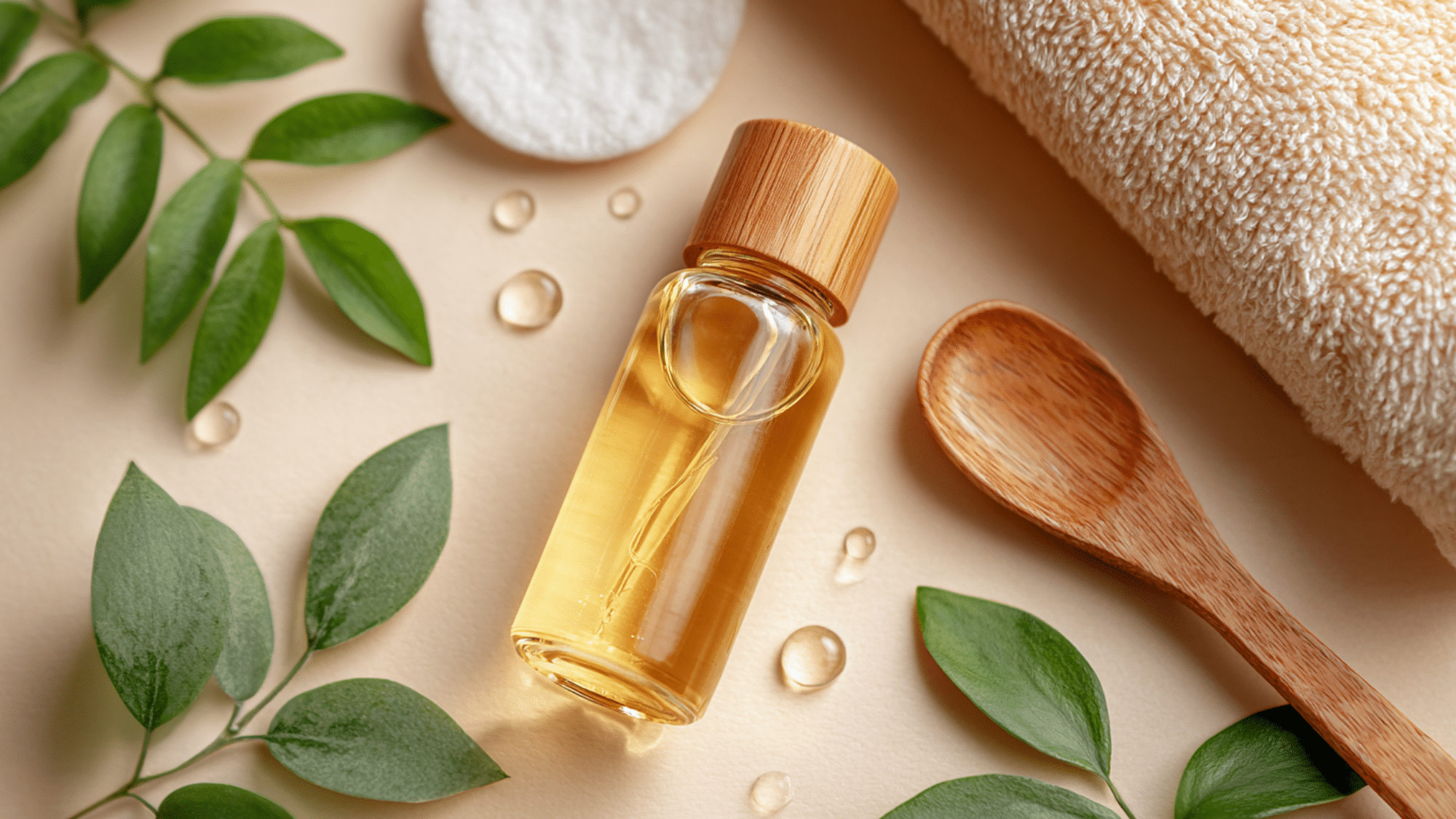

Castor oil, derived from the seeds of the Ricinus communis plant, has been a trusted natural remedy for centuries. Rich in ricinoleic acid, it offers deep nourishment for the skin.
In this blog, you will learn how castor oil supports hydration, acne relief, inflammation reduction, and even helps with signs of aging.
It is more than just a household staple; it is a skincare powerhouse.
We will explain science-backed methods for applying castor oil to your skin safely and effectively, so you can experience its full range of benefits with confidence.
What is Castor Oil?
Castor oil comes from the seeds of the Ricinus communis plant. The best kind is cold-pressed, meaning it is made without heat or chemicals. This keeps the nutrients intact and makes it safe for skin use.
Key Nutrients
Rich in essential fatty acids and antioxidants, castor oil supports overall skin health. These compounds form the basis of its hydrating and healing effects.
Traditional and Modern Uses
In Ayurveda, castor oil (Eranda Tailam) has long been used for healing and cleansing. Today, it is a popular natural remedy to moisturize dry skin, soothe irritation, and gently cleanse the skin.
Castor oil’s rich nutrients and history make it a trusted skincare choice, both then and now.
Core Skin Benefits of Castor Oil
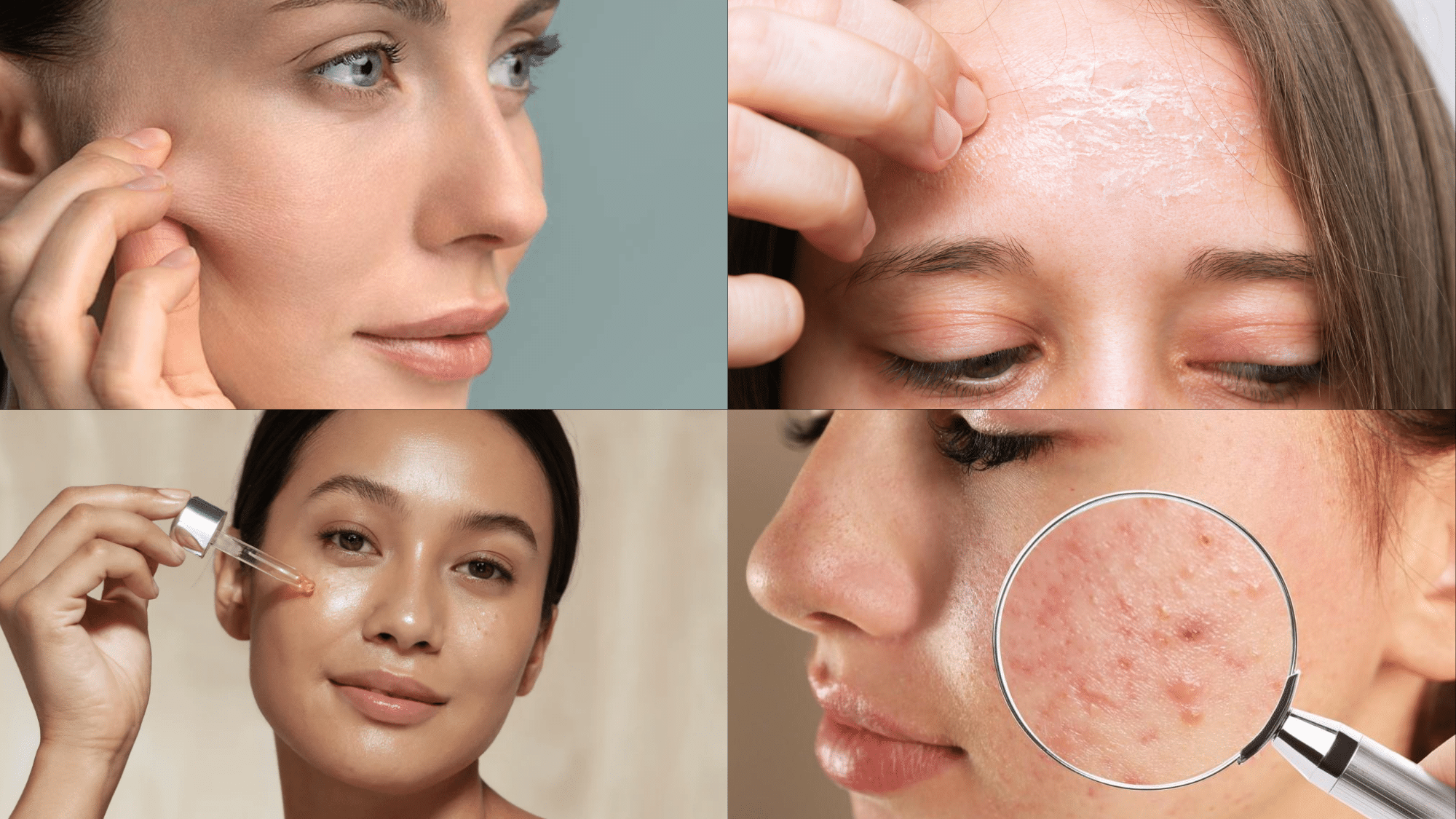
If you are dealing with dryness, irritation, or uneven skin tone, castor oil offers a range of targeted benefits backed by its unique nutrient profile.
Here is how it can support healthier, clearer, and more radiant skin:
1. Deep Hydration & Moisture Protection
Castor oil acts as a natural moisturizer by forming a protective layer on the skin that locks in hydration.
This barrier helps prevent water loss, keeping your skin soft, plump, and smooth.
With consistent use, studies show it can noticeably improve dry spots like heels, elbows, and face within just 10 days.
2. Soothes Inflammation and Fights Damage
The ricinoleic acid in castor oil calms irritation, redness, and swelling, making it especially helpful for sensitive skin.
Packed with antioxidants such as vitamin E, it protects against free radicals caused by pollution and stress.
This dual action not only soothes but also delays signs of aging for healthier, resilient skin.
3. Helps with Acne and Breakouts
Castor oil has antibacterial and anti-inflammatory powers that fight acne-causing bacteria and soothe irritation from breakouts.
Its thick consistency hydrates without usually clogging pores, making it suitable for acne-prone skin.
Still, a patch test is recommended before facial use to ensure safety and avoid unexpected reactions while targeting blemishes naturally.
4. Eases Dry Skin and Irritation
From eczema and sunburn to general dryness, castor oil offers comfort and healing.
Its nourishing fatty acids deeply moisturize, while its soothing properties reduce itching and flaking.
Gentle yet effective, it supports skin recovery and improves texture, making it a natural remedy for irritation and persistent dryness on delicate areas.
5. Improves Skin Elasticity and Brightness
Regular use of castor oil may keep skin firm, smooth, and youthful by supporting collagen and elastin production.
Its nutrient-rich composition helps fade dark spots, soften fine lines, and brighten dull areas like under-eyes.
Over time, it promotes a brighter, even-toned complexion with a naturally healthy glow.
How to Use Castor Oil Safely & Effectively
Using castor oil the right way ensures you get the most benefits without irritating your skin. Follow these simple steps:
1. Do a Patch Test First
Before using castor oil on your face or body, apply a small amount on your inner wrist or behind your ear.
Wait 24 hours to check for any redness, itching, or irritation. If there’s no reaction, it’s safe to use.
2. Dilute with Lighter Oils
Castor oil is thick and can feel heavy on the skin. To make it easier to apply, mix it with lighter oils like jojoba, almond, or sunflower oil.
- For dry skin: Try a 1:1 mix
- For sensitive or oily skin: Use less castor oil, like a 1:9 mix
3. Application Methods
Here are some easy and effective ways to apply castor oil to your skin based on your needs:
| Method | How to Use | Good For |
|---|---|---|
| Oil Cleansing | Mix with a light oil, massage on dry skin, wipe with warm towel. | Removing dirt and makeup |
| Slugging | Apply a thin layer after moisturizer at night. | Locking in moisture |
| Spot Treatment | Dab on pimples or dry patches with a cotton swab. | Acne and dry spots |
| DIY Blends | Use in lip balm, serums, or stretch mark oil recipes. | Everyday skin nourishment |
| Belly Button Massage | Rub 1–2 drops into the navel area. | Overall skin and body care |
Tips for Best Results
- Use only cold-pressed, organic castoroil labeled safe for skin.
- Avoid using near the eyes.
- Start with 1–2 times per week and increase based on how your skin responds.
- Stop using if you notice any irritation or breakouts.
Choosing the Right Castor Oil for Skincare
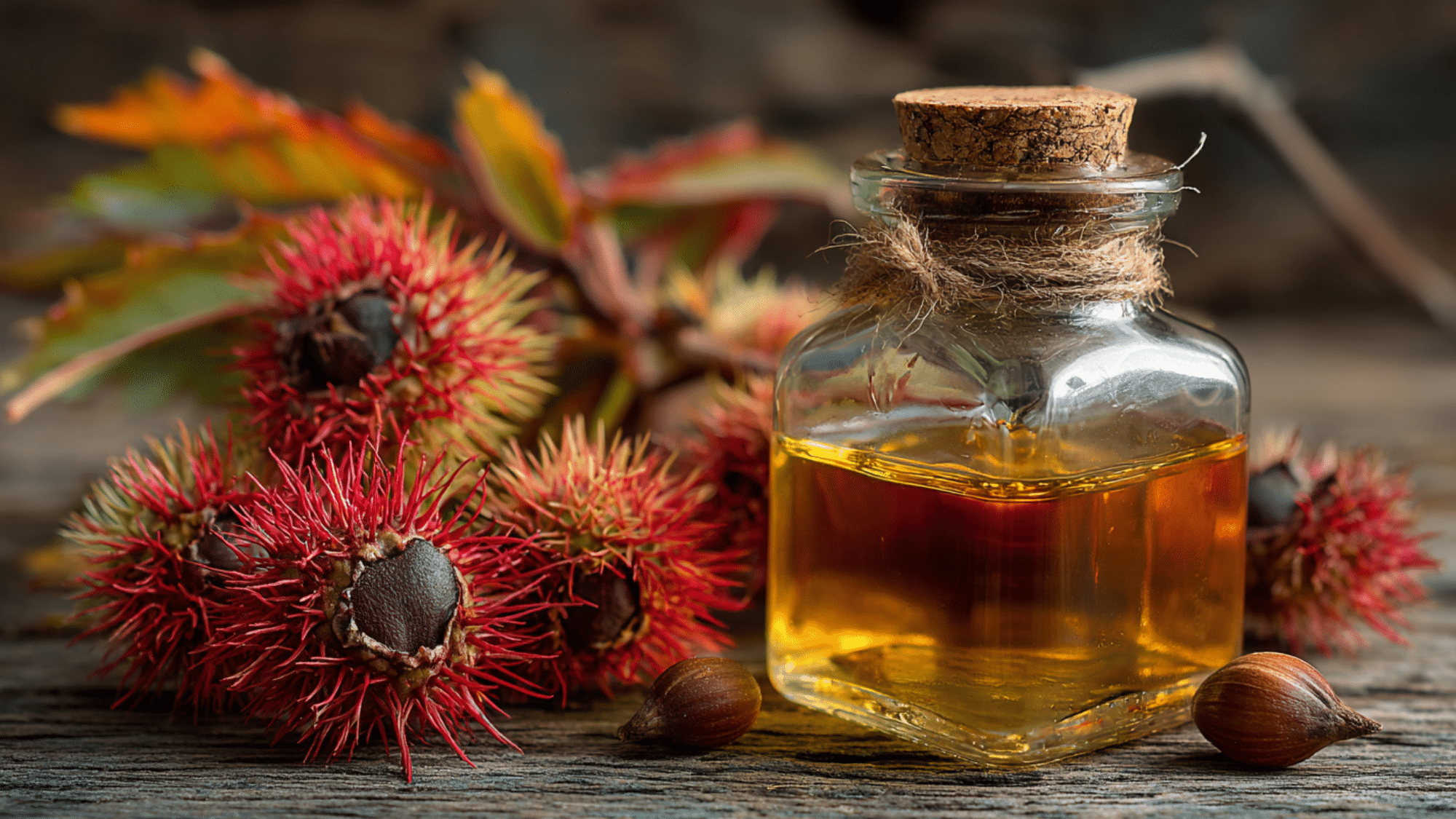
For best skincare results, choose organic, cold-pressed, and hexane-free castor oil. These types retain natural nutrients and are safe for your skin.
Always check the label, it should list only Ricinus Communis (Castor) Seed Oil with no added chemicals or fragrances.
Avoid refined or hydrogenated oils, as they often lose key nutrients and may irritate your skin.
Look for oil that’s golden-yellow with a mild, nutty scent. This signals quality.
Using pure, unprocessed castor oil gives you the full benefit of hydration, healing, and skin protection without harmful side effects.
Precautions & Potential Side Effects of Castor Oil Use
Keep the following safety tips in mind before adding Castor Oil to your skincare routine:
1. Allergic Reactions and Sensitivity
Castor oil is safe for most people, but some may experience redness, itching, or a rash. Always do a patch test before regular use to avoid skin irritation.
2. Avoid Ingesting Castor Oil
Even though it is approved as a laxative, do not consume castor oil for skincare. It may cause cramps, nausea, or other digestive issues if taken orally.
3. Care Around Sensitive Areas
Avoid applying castor oil near the eyes, lips, or open wounds. These areas can react more strongly and may become irritated or uncomfortable on contact.
4. General Safe Practice Tips
Castor oil is thick, so diluting it with a gentle carrier oil is best. If your skin shows irritation or discomfort, stop using it immediately.
Key Reminder: Everyone’s skin is different, so results may vary. Don’t use castor oil on infants, and consult a doctor if pregnant, breastfeeding, or unsure about use.
Final thoughts
Start simple. You do not need to go for complicated steps to see results; just a few drops of castor oil used thoughtfully can go a long way.
Always begin with a patch test and see how your skin responds over time before using it regularly.
If you are new to natural oils, ease in by diluting castor oil with lighter carrier oils to avoid heaviness or irritation.
With patience and consistency, castor oil can become a valuable part of your skincare routine.